
News Summary
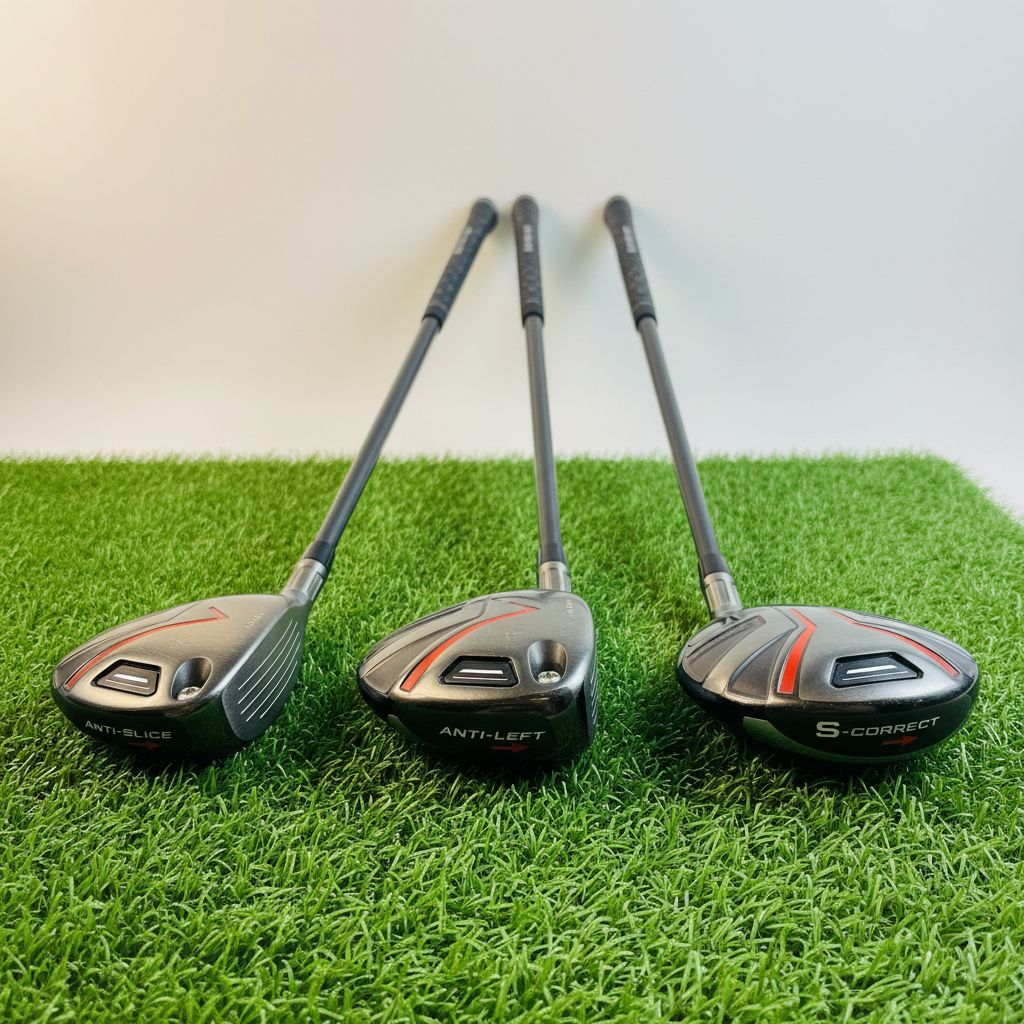
Golfers nationwide are increasingly turning to specialized 4-woods and 5-woods designed to address the frustrating leftward ball flight, known as the ‘anti-left’ bias. This trend emphasizes the ongoing challenges players face with hooks and pulls. With innovations in club design, including open clubfaces and strategic weight placements, manufacturers are meeting the demand for clubs that provide better control and accuracy. As players explore their options, even hybrids like Callaway Apex are being considered as alternatives to traditional fairway woods, making this an important focus in the golfing community.
Nationwide – Golfers across the country are increasingly focusing on specialized 4-woods and 5-woods designed to counteract a problematic leftward ball flight, often referred to as an “anti-left” bias. This trend highlights a persistent challenge for many players who find their fairway woods prone to hooks or pulls, potentially costing valuable strokes on the course.
Addressing the Leftward Miss: The Quest for Anti-Left Fairway Woods
The discussion surrounding anti-left 4-woods and 5-woods has recently gained significant traction within online golf communities. Players are actively seeking clubs that offer more control and help prevent shots from veering too far to the left. One common observation is that while some woods might offer impressive distance, they can also exacerbate a tendency to hook the ball, particularly with 4-woods.
Design Features for Straighter Shots
Manufacturers are continually innovating to help golfers achieve straighter shots. Key design elements contribute to a club’s anti-left characteristics. One such feature is a slightly more open clubface at address, which can help mitigate the tendency to close the face too much during the swing, a common cause of hooks. For instance, a 5-wood that is lofted down can inherently offer a more “anti-left” characteristic compared to a 4-wood, due to its slightly more open face.
Additionally, weight placement within the clubhead plays a crucial role. Moving weight towards the heel of the club can promote a draw, while positioning it more centrally or towards the toe can help reduce a hook. Adjustable hosels, which allow golfers to alter loft and lie angles, also offer a personalized approach to fine-tuning ball flight and combating a left miss. Shaft selection is another critical component, as certain shaft profiles can influence how the clubhead presents itself at impact and help prevent an overly active hand release that can lead to hooks.
Hybrids as an Alternative
Beyond traditional fairway woods, some golfers are exploring anti-left hybrids as a viable alternative for similar yardages. Discussions indicate a demand for 4-5 hybrids that are specifically designed to avoid a left bias. Callaway Apex hybrids have been cited as an example of clubs known for their anti-left properties.
The preference for a hybrid over a fairway wood can sometimes stem from the desire for more control and a more penetrating ball flight, particularly for shots around the 225-yard mark. Some players even consider dropping fairway woods from their bag entirely in favor of hybrids or a stronger iron setup, depending on their individual game and course conditions.
Golfer Experiences and Equipment Trends
The ongoing search for anti-left clubs underscores the diverse needs of golfers. While some golfers consistently hit woods to the right, others struggle predominantly with a leftward miss, especially with their longer clubs. This highlights the importance of matching equipment to individual swing characteristics. For players with active hands, experimenting with different grip sizes, such as a Jumbomax grip, has been discussed as a potential solution to mitigate a big left miss with woods.
The golf equipment market continues to evolve, with brands constantly introducing new technologies aimed at improving playability and correcting common swing faults. Recently, new equipment like the Cobra OPTM driver and fairway wood have been spotted, suggesting ongoing innovation in club design.
Ultimately, the objective for many golfers is to find a club that provides both distance and accuracy. For those battling a persistent left miss with their 4 or 5-wood, the focus on anti-left designs represents a key strategy in optimizing their bag and improving their overall performance on the course.
Frequently Asked Questions
Q: What does “anti-left” mean in golf clubs?
A: “Anti-left” refers to golf club designs, particularly in fairway woods and hybrids, that are engineered to help prevent a ball from hooking or pulling excessively to the left for right-handed golfers. This typically involves features that promote a straighter or slight fade bias.
Q: What design features make a 4-wood or 5-wood “anti-left”?
A: Key design features that contribute to a club’s anti-left characteristics include a slightly more open clubface at address, strategic weight placement within the clubhead (often away from the heel), and certain shaft profiles. A 5-wood lofted down can also be inherently more “anti-left” due to its slightly more open face compared to a 4-wood.
Q: Are hybrids also available with anti-left properties?
A: Yes, golfers are also seeking anti-left 4-5 hybrids as alternatives to fairway woods. Callaway Apex hybrids, for example, have been cited as known for their anti-left properties.
Q: Why do some golfers struggle with their 4/5-woods going left?
A: A leftward miss with fairway woods can stem from various swing characteristics, such as an overly active hand release, closing the clubface too much at impact, or a swing path that promotes a hook. The club’s design can sometimes exacerbate these tendencies.
Q: Can a golfer adjust their existing club to be more “anti-left”?
A: Some modern clubs come with adjustable hosels that allow golfers to alter loft and lie angles, which can influence ball flight and help mitigate a left miss. Additionally, experimenting with different shafts and grip sizes can sometimes help correct a leftward tendency.
Key Features of Anti-Left Fairway Woods and Hybrids
| Feature | Description | Benefit (Anti-Left) |
|---|---|---|
| Open Clubface Design | Clubface designed to present slightly open at impact or address. | Helps prevent the clubface from closing too much, reducing hooks/pulls. |
| Strategic Weighting | Internal weight placement in the clubhead, often towards the toe or center. | Reduces the gear effect that causes hooks, promoting a straighter ball flight. |
| Shaft Profile | Specific shaft characteristics (flex, torque, bend point). | Can influence how the clubhead square or slightly open at impact, controlling active hands. |
| Adjustable Hosel | Mechanism allowing golfers to change loft and lie angle settings. | Enables fine-tuning to promote a fade bias and counteract a left miss. |
| Club Type | Often found in 4-woods, 5-woods, and specific hybrid models (e.g., Callaway Apex hybrids). | Offers options across different club categories for golfers seeking anti-left properties. |
